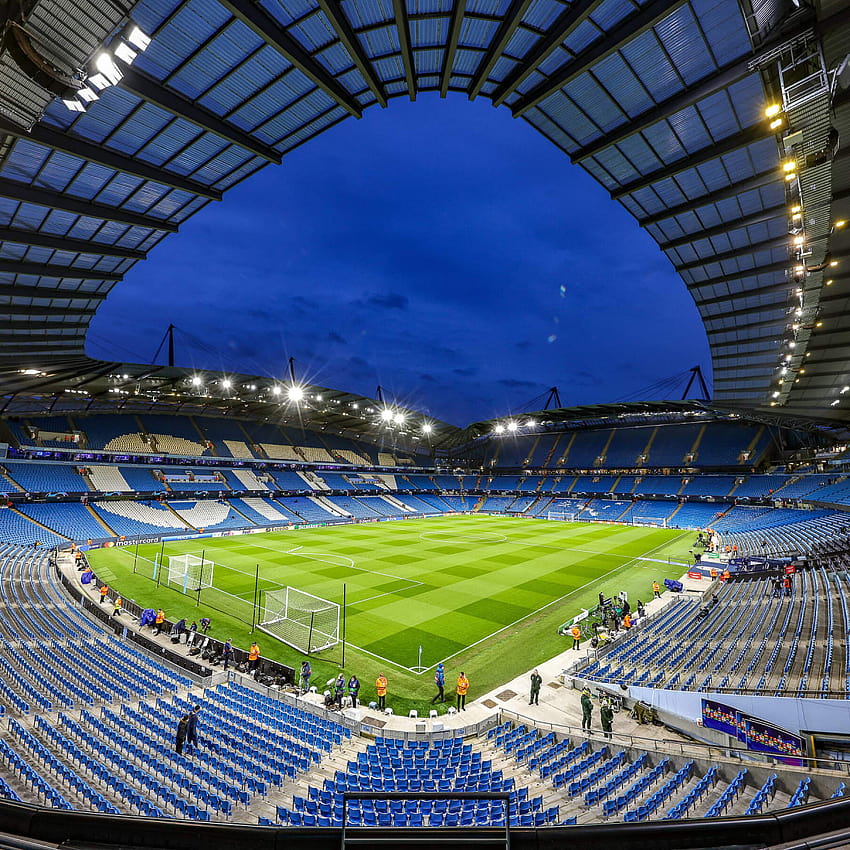
The Etihad Stadium, home to Manchester City FC since 2003, remains a focal point for English football culture and urban development. Recent photographs capture the venue’s vibrant atmosphere and its evolving role in the city, offering a snapshot of why the stadium continues to draw fans and planners alike.
Why the Etihad Stadium Matters
Located in East Manchester, the Etihad is more than a 55,000‑seat arena; it’s a catalyst for regeneration. The stadium’s modern design—characterised by its sleek, glass‑front façade and expansive roof—has spurred investment in surrounding neighborhoods, leading to new housing, retail space, and transport links. Its partnership with the city council underscores a broader vision: turning a sports venue into a community hub that supports local businesses and educational programmes.

Memorable Derbies and Their Impact
Derby matches at the Etihad have etched vivid memories into the club’s history. The 2022 clash against Manchester United, for instance, drew a record attendance and highlighted the stadium’s capacity to host high‑stakes fixtures without compromising spectator safety. Such events boost tourism, with hotels reporting up to a 20% rise in bookings on match days. Moreover, the atmosphere generated by passionate fans contributes to the team's on‑field performance, reinforcing the link between venue and victory.
Looking Ahead: Renovations and Community Role
Planners are already outlining the next phase of development. Proposals include a modest expansion of the seating bowl to accommodate growing demand, alongside environmentally friendly upgrades such as solar panels and rainwater harvesting systems. These initiatives aim to reduce the stadium’s carbon footprint while setting a benchmark for sustainable sports infrastructure.
Beyond the pitch, the Etihad’s community outreach programmes—ranging from youth football clinics to local school partnerships—remain a cornerstone of its identity. By offering free coaching sessions and educational tours, the venue deepens its ties with Manchester residents, ensuring that the stadium is viewed as a public asset rather than a private enclave.
Recommendation for Visitors and Residents
If you’re planning a visit, consider attending a match during the off‑peak season when ticket prices are lower and the stadium is less crowded, allowing a clearer view of both the action and the architectural details. For locals, staying informed about upcoming renovation projects can provide opportunities to participate in public consultations, ensuring that community voices shape the Etihad’s future.
